


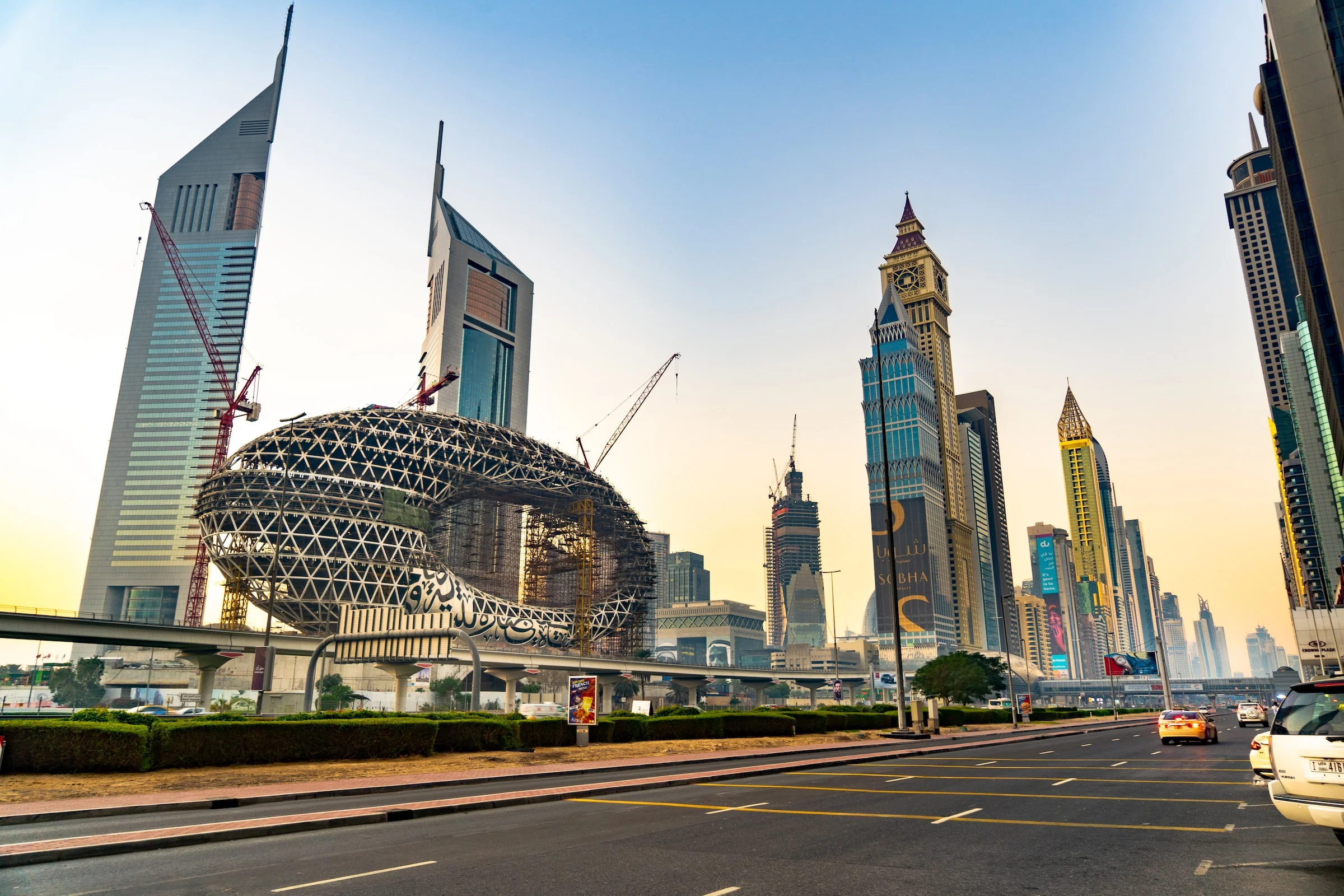
Dubai- In recent years, the Middle East has witnessed a significant surge in Public-Private Partnership (PPP) projects, marking a transformative phase in the region’s development strategy. These partnerships, which bring together the public sector’s strategic planning and regulatory capabilities with the private sector’s efficiency, innovation, and capital, are becoming a cornerstone of the Middle Eastern countries’ approaches to addressing their developmental challenges and economic diversification efforts.
The Shift Towards PPPs
Traditionally, Middle Eastern economies have heavily relied on the public sector, particularly in countries with abundant natural resources. However, with the fluctuating oil prices and the growing need for sustainable economic models, these countries have started diversifying their economies. PPPs have emerged as a critical tool in this transition, enabling governments to leverage private sector participation for infrastructure development and public service delivery.
Key Sectors for PPP Growth
Infrastructure and Energy
One of the most prominent sectors for PPPs in the Middle East is infrastructure. Countries like the United Arab Emirates, Saudi Arabia, and Qatar have launched ambitious infrastructure projects, including airports, ports, roads, and public transportation systems, under the PPP model. The energy sector, especially renewable energy projects, is another area where PPPs are gaining traction. With the region’s strong solar and wind potential, many countries are partnering with private firms to develop renewable energy projects, reducing dependence on fossil fuels and promoting environmental sustainability.
Healthcare and Education
The healthcare and education sectors in the Middle East are also experiencing a growing number of PPP projects. These partnerships are seen as a way to improve the quality of services and infrastructure in these critical sectors, often strained under public sector management. By involving private players, governments hope to bring in expertise, innovation, and investment, thereby elevating the standard of education and healthcare services.
Water and Waste Management
Water scarcity and effective waste management are pressing issues in many Middle Eastern countries. PPPs in desalination plants, water distribution networks, and waste treatment facilities are increasingly being seen as viable solutions to these challenges, helping to improve the efficiency and sustainability of these essential services.
Challenges and Opportunities
While the potential of PPPs in the Middle East is immense, there are challenges that need to be addressed. Regulatory frameworks and legal structures in many countries are still evolving to accommodate and effectively manage PPPs. Ensuring transparency, fair risk distribution, and aligning the interests of both public and private entities remain key challenges.
On the other hand, the opportunities are vast. The Middle East’s strategic location, coupled with its economic diversification efforts, makes it an attractive destination for private investors. Moreover, the region’s young and growing population demands improved services and infrastructure, which PPPs can effectively deliver.
Future Outlook
As Middle Eastern countries continue to focus on economic diversification and sustainable development, the role of PPPs is set to expand further. The success of early PPP projects is encouraging more governments in the region to adopt this model, paving the way for innovative and efficient development. With the right policies and frameworks in place, PPPs in the Middle East can not only drive economic growth but also contribute significantly to the social and environmental well-being of the region.
In conclusion, the growing trend of Public-Private Partnerships in the Middle East is a clear indicator of the region’s commitment to innovative development strategies. By combining the strengths of both the public and private sectors, the Middle East is poised to address its developmental challenges more effectively and pave the way for a more prosperous and sustainable future.
