


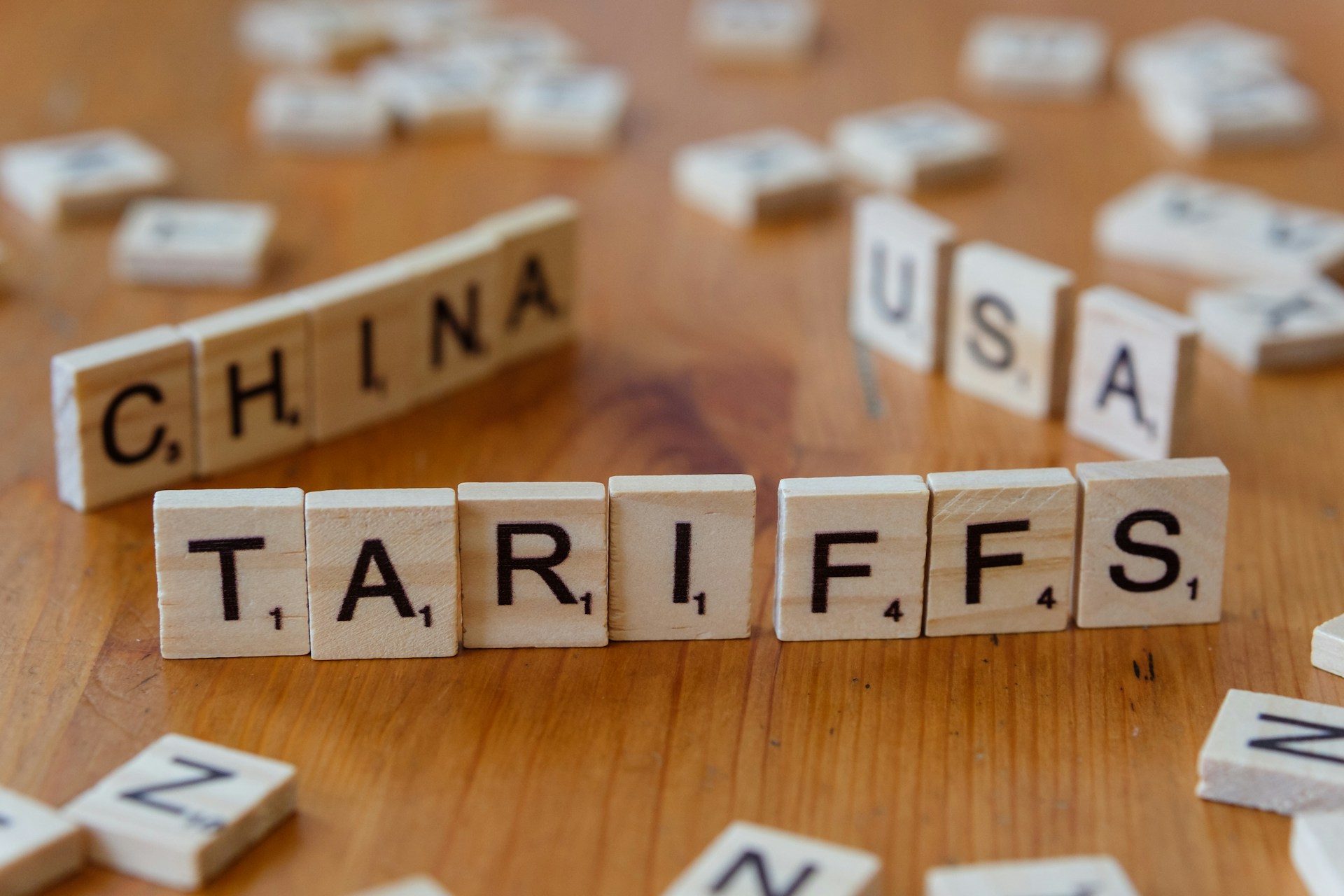
Global PPP projects face growing challenges from the ongoing tariff dispute between the United States and China. Developing economies rely heavily on imported materials and technology to deliver infrastructure projects. The U.S. imposed tariffs on over $550 billion of Chinese goods, and China countered with duties on $185 billion of American exports. These restrictions caused inflation in material costs and delays in procurement. As a result, PPP developments worldwide are experiencing higher financial risks. The tariff impact on PPPs has become increasingly visible in these dynamics.
Within the first half of 2024 alone, global steel prices rose significantly, with U.S. hot-rolled coil prices increasing by over 20% due to tariff speculation and constrained supply. Across global markets, demand volatility and geopolitical risks pushed machinery prices higher, with certain categories such as manufacturing and industrial equipment recording up to a 31% fluctuation in unit pricing. These patterns were reflected not just in the U.S., but also across European and Asian markets, marking a widespread inflationary trend in infrastructure inputs. The resulting rise in procurement costs has placed additional strain on public-private partnership (PPP) projects globally. The tariff impact on PPPs is being felt acutely as these cost pressures disrupt original financial models and increase the difficulty of securing timely inputs for energy, water, and transport infrastructure. These cost pressures are directly affecting PPP contracts in energy, transportation, and water sectors. The tariff impact on PPPs has become a dominant concern shaping infrastructure planning.
Energy PPPs Under Pressure from Cost Escalations
The energy sector is among the most exposed to the tariff impact on PPPs. Tariffs on Chinese solar panels and other energy components have driven up project costs across Asia and the Middle East. India, for example, sources more than 85% of its solar modules from China. Since 2022, prices have increased by more than 25%, straining project budgets. The growing tariff impact on PPPs threatens both timelines and affordability in new energy developments.
Additionally, China’s tariffs on U.S. liquefied natural gas (LNG) disrupted power plant development in the Philippines and Bangladesh. Wind and solar PPPs are now dealing with shipment delays for essential equipment like turbines and inverters. Saudi Arabia’s solar desalination PPPs are also experiencing longer lead times for importing photovoltaic cells. Due to these pressures, governments must reassess risk-sharing in energy contracts. Meanwhile, investors are seeking clauses that account for changes in global trade policy.
Policy and Procurement Hurdles Slow Asia’s Solar Sector
India’s solar PPPs illustrate how tariffs can complicate project execution. By 2024, the country had installed more than 70 GW of solar power capacity. Over 80% of solar panels were imported, primarily from China. To curb dependency, India introduced a 25% safeguard duty on solar imports, followed by a basic customs duty. This protectionist measure raised development costs across PPP solar projects, highlighting the long-term tariff impact on PPPs in renewable energy.
A major solar PPP in Rajasthan reported a 28% increase in its panel procurement costs. Consequently, developers had to renegotiate pricing and timelines with offtakers. The tariff impact on PPPs has made project sponsors more cautious. The case emphasizes the need to anticipate global trade risks when designing infrastructure contracts. There’s also growing pressure on governments to develop local manufacturing to reduce vulnerability. India’s example serves as a warning that future PPP frameworks must incorporate resilience to global policy shifts.
Transport and Road Projects Confront Rising Input Costs
Tariffs have significantly affected PPP projects in transport. Roads, railways, and ports all rely on steel, which is now more expensive due to U.S.–China trade tensions. In 2023, global steel prices increased by 15%, according to the World Steel Association. This spike has impacted infrastructure bids in Asia and the Middle East. The tariff impact on PPPs in transport is causing widespread reevaluation of cost assumptions and material sourcing strategies.
The Metro Manila Subway, a major PPP in the Philippines, has faced cost escalation and supply delays. Developers revised bids multiple times as key equipment became harder to import. Ports across Southeast Asia also depend on Chinese cranes and U.S. systems, many of which are now delayed or overpriced. Developers are adjusting procurement strategies while negotiating for revised project timelines. As material and equipment costs fluctuate, PPPs must adapt quickly to remain financially and operationally feasible.
Financial Structures Strained by Dollar Dominance
The strength of the U.S. dollar has added complexity to the tariff impact on PPPs. Most PPPs are financed in dollars, while project revenues are earned in local currencies. This mismatch increases exposure to foreign exchange risks. In 2023, the Philippine peso fell by 9% against the dollar, making it costlier to repay loans. The tariff impact on PPPs becomes more pronounced when coupled with currency depreciation.
PPP sponsors in countries like Jordan, Egypt, and India have requested additional financial support. In Jordan, desalination projects are particularly strained as imported components now cost more due to both tariffs and currency shifts. Lenders are reacting by tightening loan terms and requiring equity cushions. Governments are being urged to step in with guarantees or to allow higher user tariffs. Without flexible financing mechanisms, the tariff impact on PPPs could delay or derail many projects.
Middle East PPPs Adjust Amid Global Trade Pressures
PPP projects in the Middle East, especially under Saudi Arabia’s Vision 2030, are facing higher capital costs. Metro, energy, and water projects are experiencing increased bids, some by as much as 22%, due to import cost hikes. The Riyadh metro extension has been delayed, largely due to disruptions in procuring steel and equipment. These examples underscore the regional tariff impact on PPPs.
Abu Dhabi’s desalination initiatives are also seeing capital cost increases of 8–10%, driven by higher prices for U.S. and Chinese parts. Governments are trying to respond by adjusting procurement timelines and evaluation methods. Some are even exploring centralized bulk purchases of materials to control costs. The tariff impact on PPPs in this region is creating urgency for contract innovation and local sourcing. Procurement teams and developers must now collaborate to mitigate international supply chain volatility.
Southeast Asia’s PPP Pipeline Faces Mixed Outcomes
Southeast Asia offers a mixed landscape regarding the tariff impact on PPPs. Vietnam and Indonesia are attracting manufacturers relocating from China. This has increased demand for transport and industrial infrastructure. Yet, it’s also pressuring PPP pipelines to meet higher quality and speed requirements. Meanwhile, the Philippines is struggling with delays in ongoing projects under the “Build Better More” program.
Developers are reporting higher costs for imported components. Bid deadlines are being extended, and project awards are slower than anticipated. In contrast, Vietnam’s ports are benefiting from rising trade volumes due to redirected shipping routes. These varying trends suggest that PPP frameworks must become more agile. Governments should update procurement guidelines and ensure that templates can absorb future trade disruptions. The tariff impact on PPPs in Southeast Asia reinforces the need for adaptive project design and stronger government coordination.
Rethinking Risk Allocation in PPP Contracts
Ongoing trade tensions are driving changes in PPP legal frameworks. Stakeholders are revising contracts to better handle the tariff impact on PPPs. “Material adverse effect” clauses are being inserted more frequently. These provisions allow renegotiation if tariffs drastically change a project’s cost base. Without such clauses, project sponsors may be left bearing unexpected cost burdens.
Governments across Asia and the Middle East are updating procurement rules to account for trade policy risks. Developers are partnering with regional manufacturers to reduce import reliance. Multilateral banks are supporting these efforts with new guarantee products and advisory tools. These interventions help maintain investor confidence and ensure financial close. Risk-sharing between public and private partners must evolve in response to trade instability. The tariff impact on PPPs will continue shaping contract models and risk allocation.
Building Future-Ready PPP Ecosystems
The tariff impact on PPPs is a defining challenge for today’s infrastructure landscape. Rising costs and disrupted supply chains require stronger planning, smarter contracts, and deeper public-private collaboration. From energy to transport, nearly every sector has been affected. Governments should focus on local manufacturing, diversified sourcing, and better forecasting tools to reduce future vulnerabilities.
Financial institutions and project developers must work together to ensure projects remain bankable despite global turbulence. The PPP model must evolve to manage not just traditional risks but also geopolitical ones. With proactive measures, PPPs can remain a key mechanism for infrastructure delivery worldwide. Building resilience into every aspect of a PPP, from legal clauses to supplier agreements, is now essential. In this uncertain trade environment, the tariff impact on PPPs makes adaptability a decisive factor in long-term success.s.
